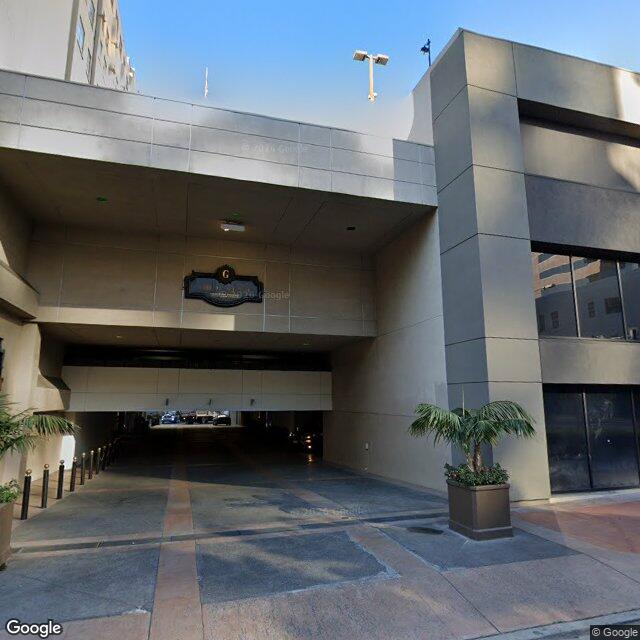
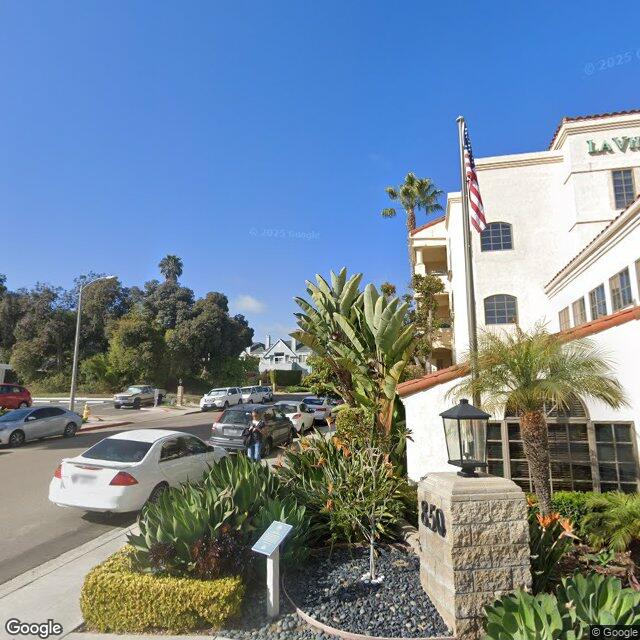
La Vida Del Mar, the well-reviewed dining venue inside the senior living community at 850 Del Mar Downs Road in Solana Beach, has become a local favorite for its welcoming service and approachable, comfort-forward menus. With more positive online feedback than nearby counterparts, it’s a spot residents and visiting families rely on for daily meals—and a reminder that even beloved dining operations must meet the same health and safety benchmarks as any restaurant in San Diego County.
Our newsroom is tracking a recent inspection action involving the facility’s dining operation. While the county has not publicly detailed the full findings at the time of publication, the stakes are clear: in San Diego County, inspections can lead to either a grade downgrade or, in more serious cases, a temporary closure when imminent health hazards are found. Understanding how and why these actions occur helps diners make informed choices—especially when a venue serves a vulnerable population like older adults.
When inspectors downgrade a facility’s grade, it typically follows clusters of major or repeat violations. Common triggers include cold or hot holding temperatures outside safe ranges, inadequate handwashing or sanitizer concentration, cross-contamination risks on prep surfaces, pest-exclusion failures, and equipment that can’t be properly cleaned. Any one of these problems can undermine an otherwise solid operation, and several together can push a score from an A to a B or C pending corrective action. By contrast, closures are reserved for urgent hazards—think no hot water, sewage backups, or significant vermin activity—and remain in effect until the problem is fixed and verified by the county.
Why it matters: grading isn’t just a bureaucratic box-check. For diners in Solana Beach and across the county, a downgrade signals that a kitchen needs to shore up critical practices that keep food safe. In a residential community environment, where guests may have compromised immune systems, these safeguards are even more consequential. A visible grade change on the front door or a red closure notice prompts questions and accountability—pushing management to correct issues quickly and transparently.
If a downgrade is confirmed, guests should expect to see a posted letter grade reflecting the updated score while the kitchen works through corrections. Most operations that take swift remedial steps earn their A back after reinspection. In the event of a closure, the county posts a red notice on-site and the dining room remains closed until inspectors verify that the underlying hazard is resolved. Either way, the path forward is clearly defined: correct, verify, and restore confidence.
For the many families who’ve praised La Vida Del Mar’s staff and consistency, the immediate takeaway is to watch for official signage at the entrance and check the county’s online inspection database for the latest status before planning a meal. A downgrade or temporary closure doesn’t have to be the end of the story; in many cases, it’s a prompt for needed improvements that make the operation stronger and safer.
We’ll update this report as San Diego County publishes the complete inspection details and any resulting grade or reopening timelines for La Vida Del Mar’s dining operation.